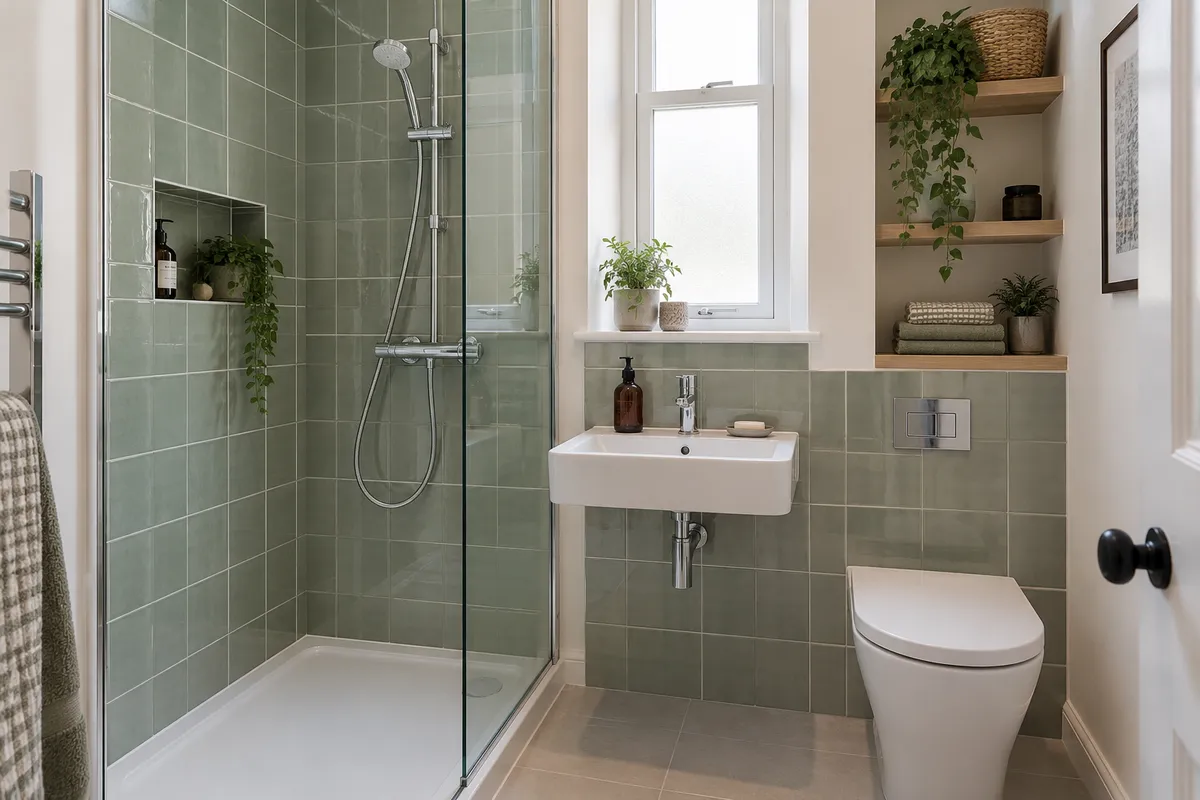
Shower water pressure is one of the first things to understand before choosing a new shower for a Scottish tenement flat. A larger shower head cannot create a stronger supply, and a product described as powerful may still be unsuitable for your system. The useful decision is which shower works with the hot and cold water arrangements, measured performance and daily demand in your home. Explain what disappoints you about the existing shower, then ask for the supply to be assessed before buying fittings. This guide outlines the questions to discuss without attempting to diagnose your plumbing remotely.
Identify how your hot water is supplied
Find out whether your home uses a combination boiler, a stored hot-water arrangement or another system. Do not infer this from the age of the tenement or the appearance of the bathroom. Previous renovations can leave neighbouring flats with quite different arrangements, and the shower needs to suit your own installation.
Manufacturer guidance such as Mira’s water-system guide can help you recognise the main categories. Use that as preparation for the installer’s assessment, not as permission to alter equipment. Record the existing shower model where accessible and provide photographs of relevant equipment without opening covers or disturbing services.
Understand pressure and flow separately
Pressure and flow describe different aspects of the supply. A shower can feel disappointing even when one measurement appears adequate, because the complete system and product requirements matter. Explain whether the problem is a weak spray, fluctuating temperature, poor performance when another tap runs or a recent change from previously satisfactory operation.
Ask the installer what measurements and checks are needed under realistic use. A reading taken with no other demand may not describe a busy household morning. Existing restrictions, maintenance needs and equipment performance should be considered before assuming the only answer is a new shower. Avoid choosing a product solely because its marketing describes a stronger or more luxurious spray.
Compare mixer and electric showers
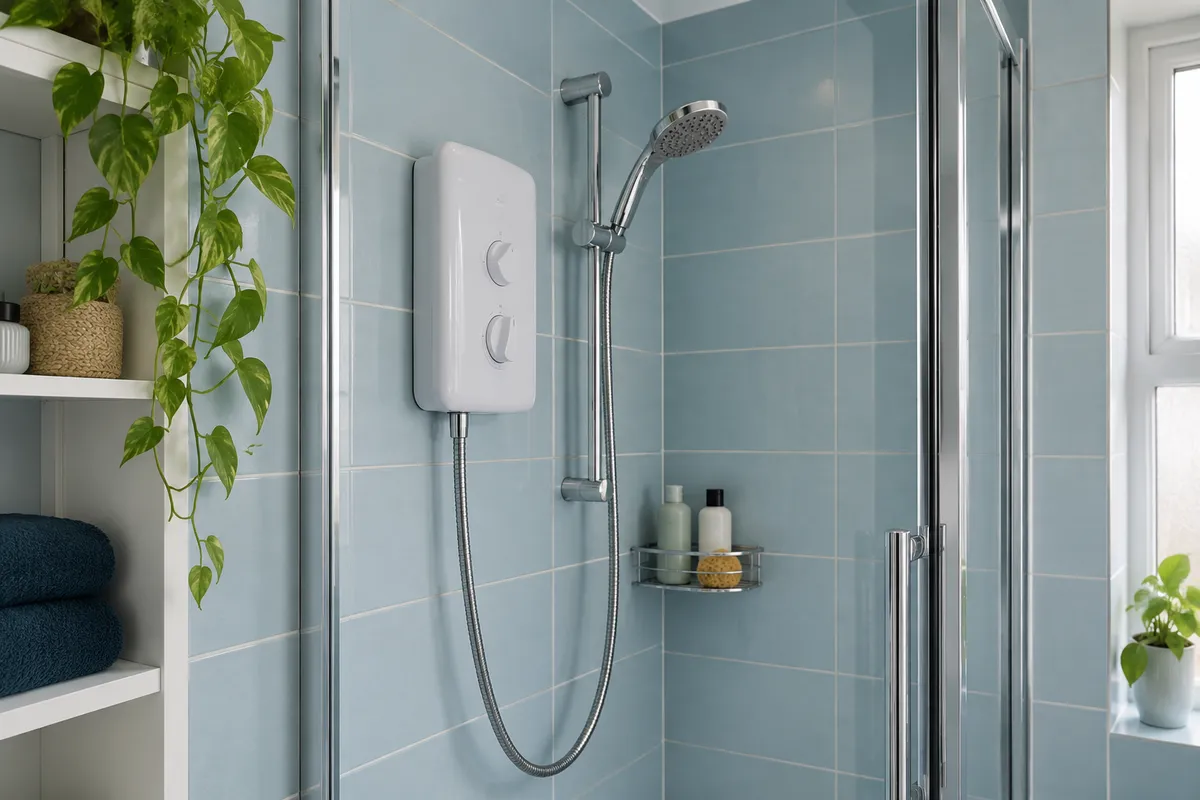
A mixer shower blends hot and cold supplies, while an electric shower heats water within the unit and requires a suitable electrical and water supply. Those differences affect compatibility and the installation work. Replacing one type with another can therefore involve more than changing the visible box or controls.
Discuss the actual product specification, supply requirements and the condition of the existing installation. Electrical work belongs with a suitably qualified professional. There is no universal winner for every flat: the right choice depends on the system, household routine and the work you are prepared to include. A modest well-matched shower can be more useful than an elaborate system the supply cannot support.
Match the fittings to the measured supply
Different shower heads and valve arrangements have different requirements. A large overhead outlet, handset and multiple body jets should not be assumed to work together simply because they are sold as a set. Ask which outlets can operate as intended with the available supply and whether performance changes when other fittings are used.
Think about the spray pattern and practical cleaning as well as size. A handset can be useful for rinsing the enclosure and for different users. Keep the manufacturer’s compatibility information with the specification so substitutions are assessed properly. A visually similar valve or head may have different operating requirements from the product originally discussed.
Choose controls and outlets you will use
Position controls so the intended users can reach them comfortably and adjust the shower without an awkward movement. Consider whether you want to turn it on before stepping into the spray and how the glass opening affects access. A tidy concealed appearance needs a sensible plan for future service and replacement of internal components.
Compare the overall shower arrangement in our bath or walk-in shower guide. If you are removing a bath, the conversion guide explains related changes to walls, flooring and drainage. Water performance is one part of that complete project, alongside a comfortable entrance and a workable room layout.

Include testing and maintenance in the plan
Ask what operational checks will be completed before handover and how the shower should be cleaned and maintained. Retain the model details, instructions and relevant documentation so replacement parts can be identified later. Understand where accessible isolation and service points are, without attempting work you are not competent to carry out.
Our walk-in shower service for Scottish tenements can discuss your room and existing shower concerns. Provide your postcode and a clear description of when the problem occurs. Choosing a shower around verified system requirements gives you a stronger basis for the decision than choosing by head size, appearance or an unsupported promise of pressure alone.
Guidance reviewed 7 October 2026. Technical and permission requirements depend on the property and proposed work; relevant guidance is linked in the article.